


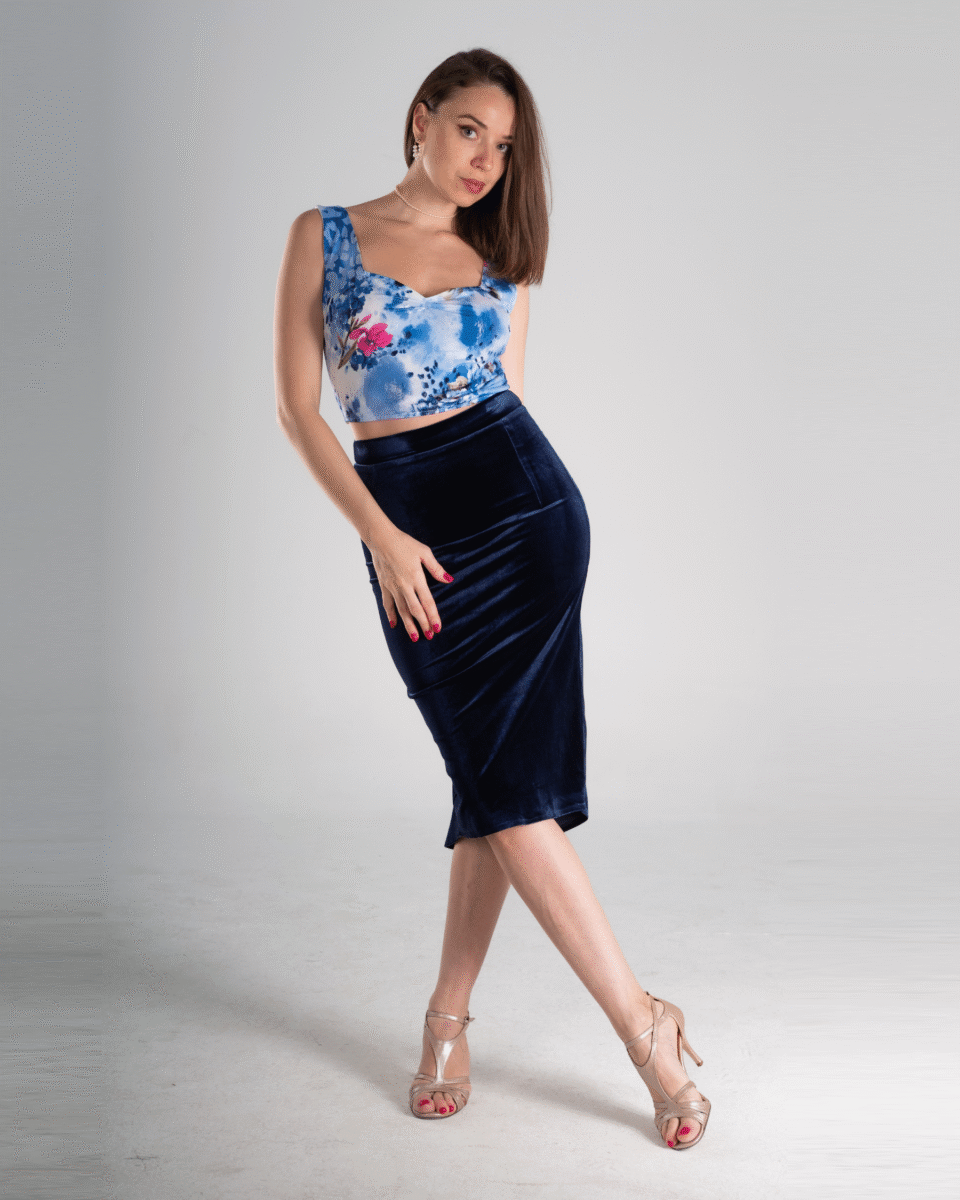
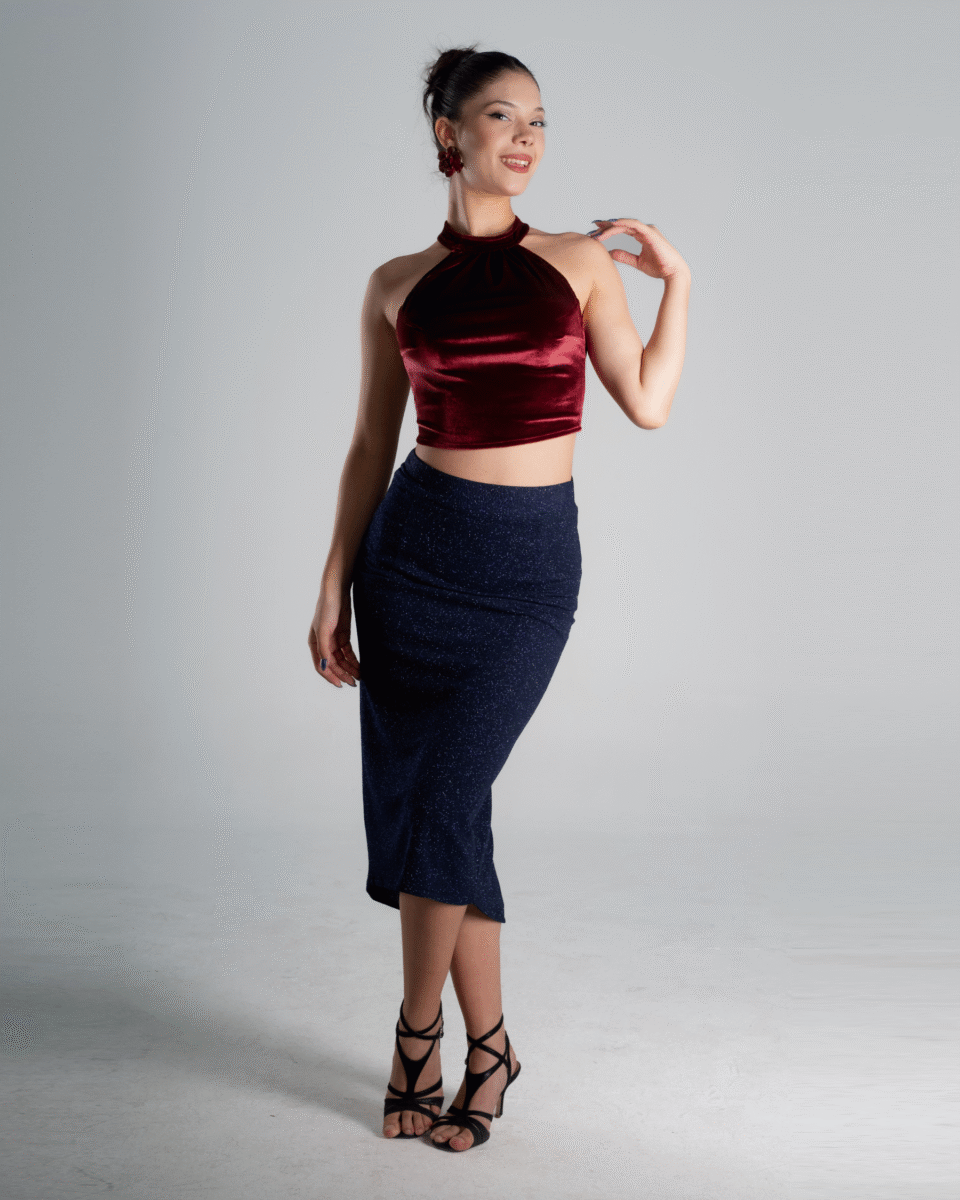
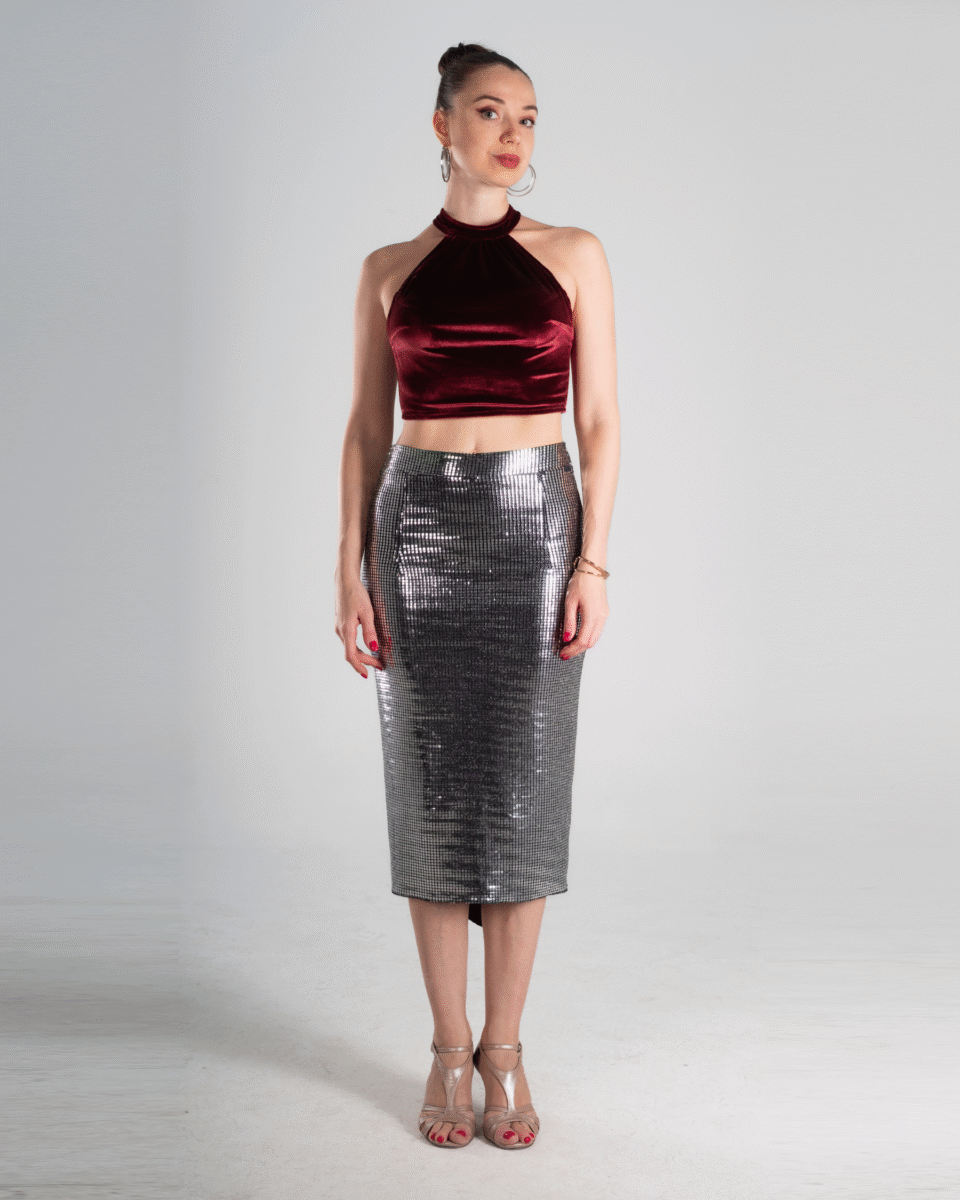
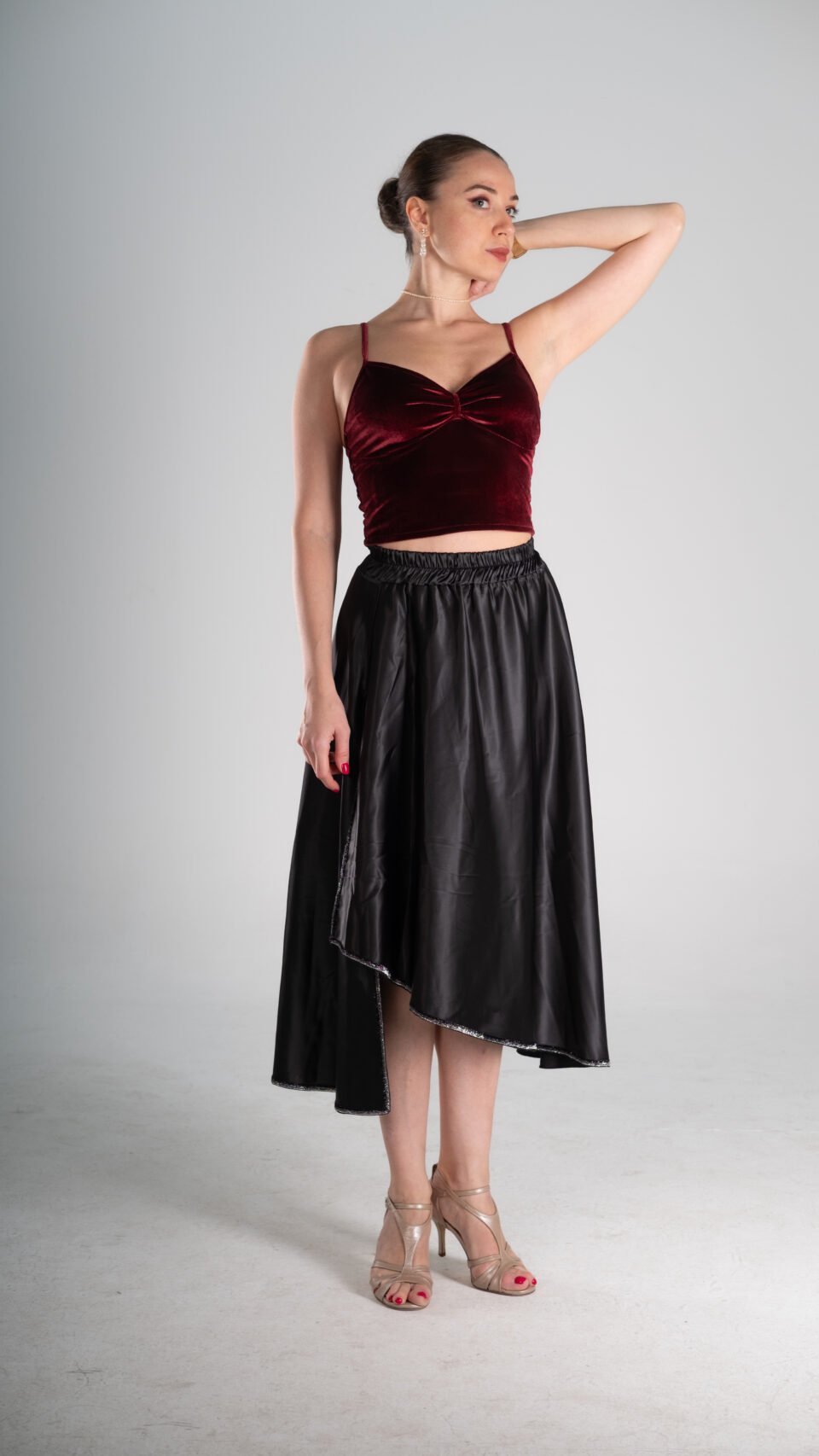


The tango co-ord set: a newer language for the milonga
For most of tango’s history, the dress was the garment. The two-piece was a departure — and it turned out to be the most flexible vocabulary a dancer has.
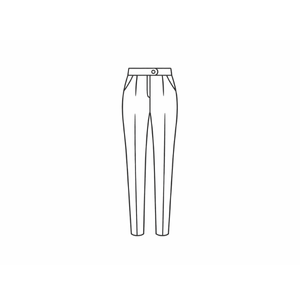
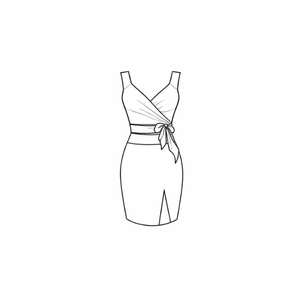
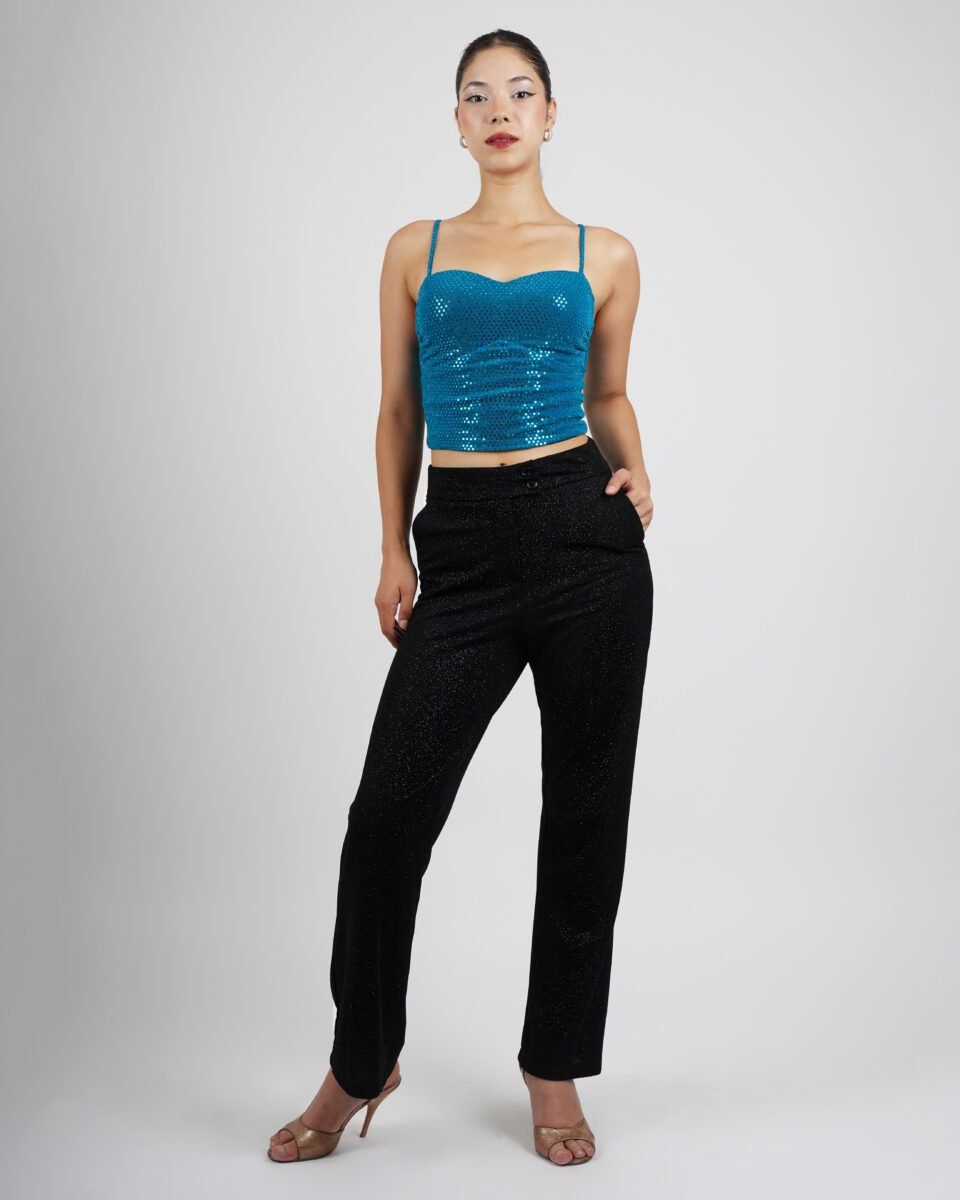
A co-ord gives you one silhouette when worn together and two when broken apart. The skirt goes with a plain top on a practica night. The crop top goes with trousers. What you bought as one outfit becomes four, and none of them look like you’re economising.
Why a co-ord fits better than a dress
Most women are not one size. A co-ord lets the top and the skirt be sized separately, which a dress cannot do. If you are a size apart between waist and bust — and a great many dancers are — the two-piece is simply the better-fitting option, and it stops being a style choice.
Matched, not identical
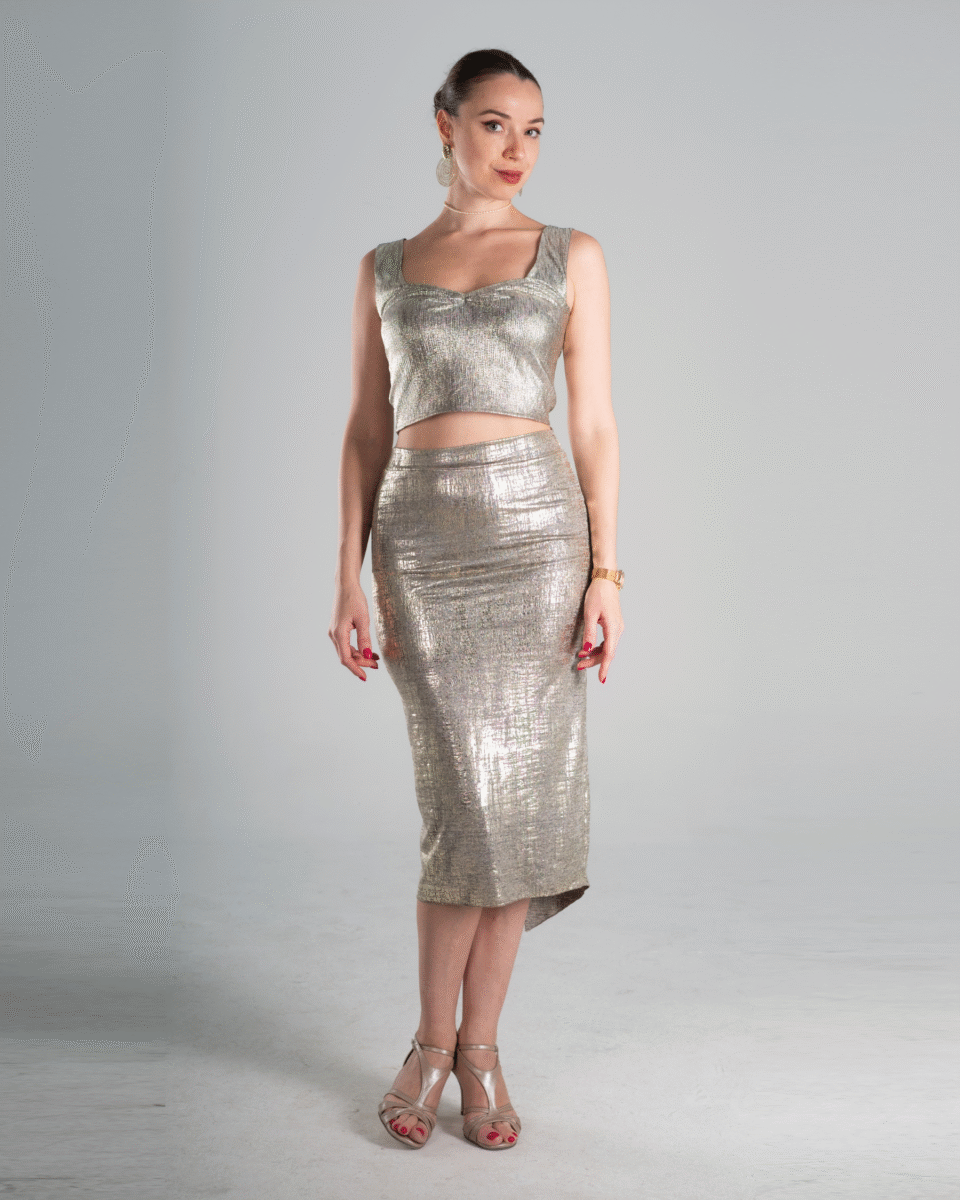
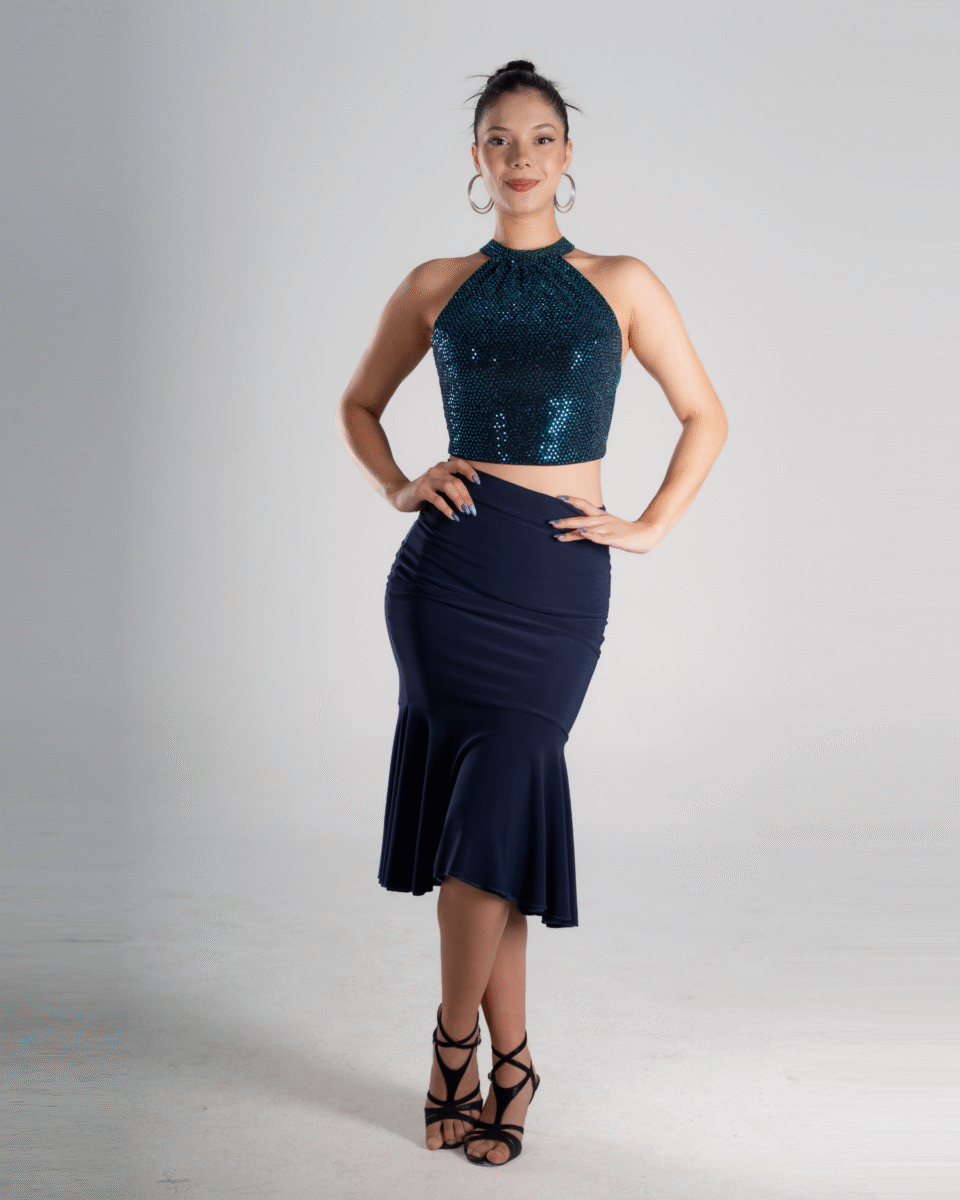
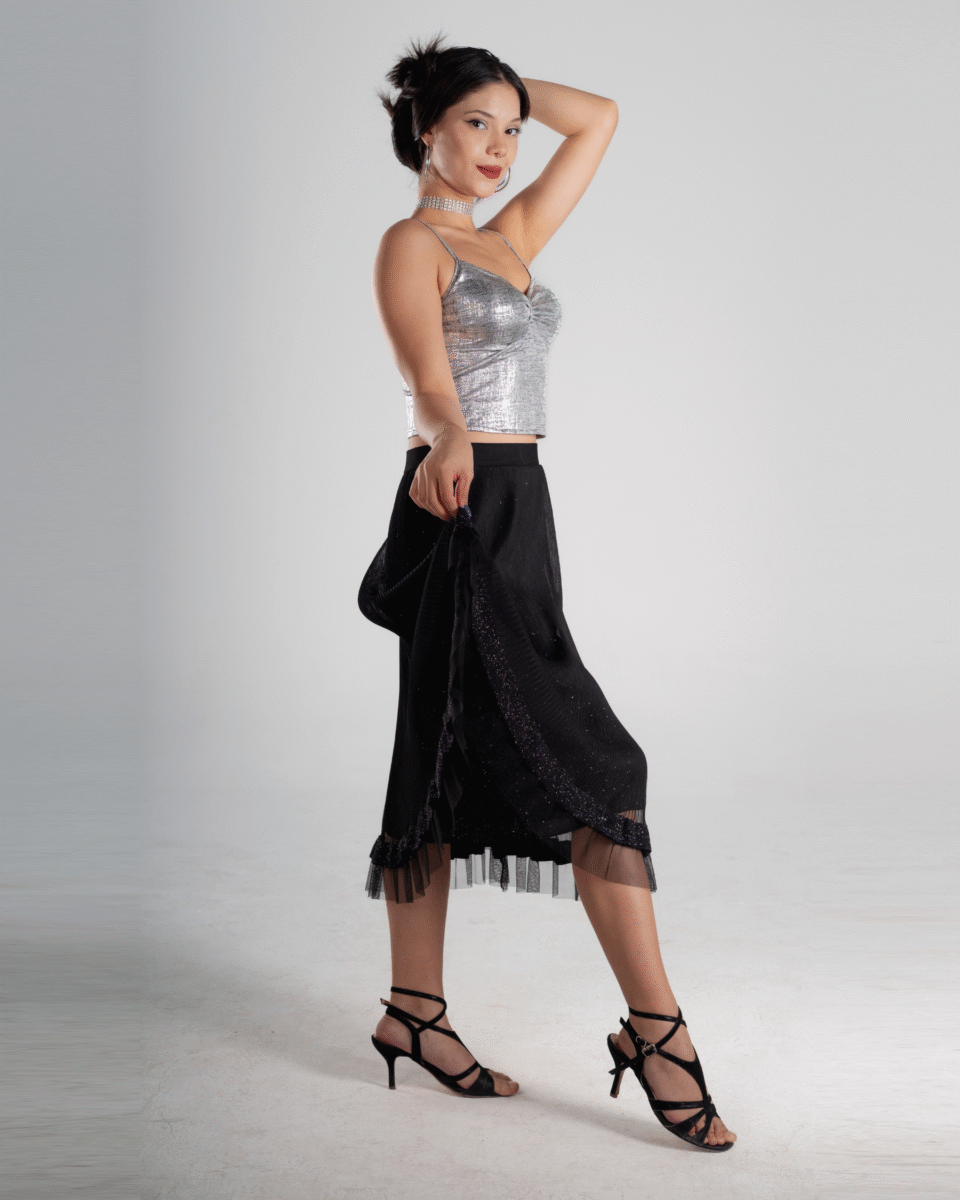
The sets here are built as pairs: the crop length meets the waistband with overlap, the fabrics are chosen to read as one piece under stage light, and the proportions are cut so the join sits where the eye expects a waist.
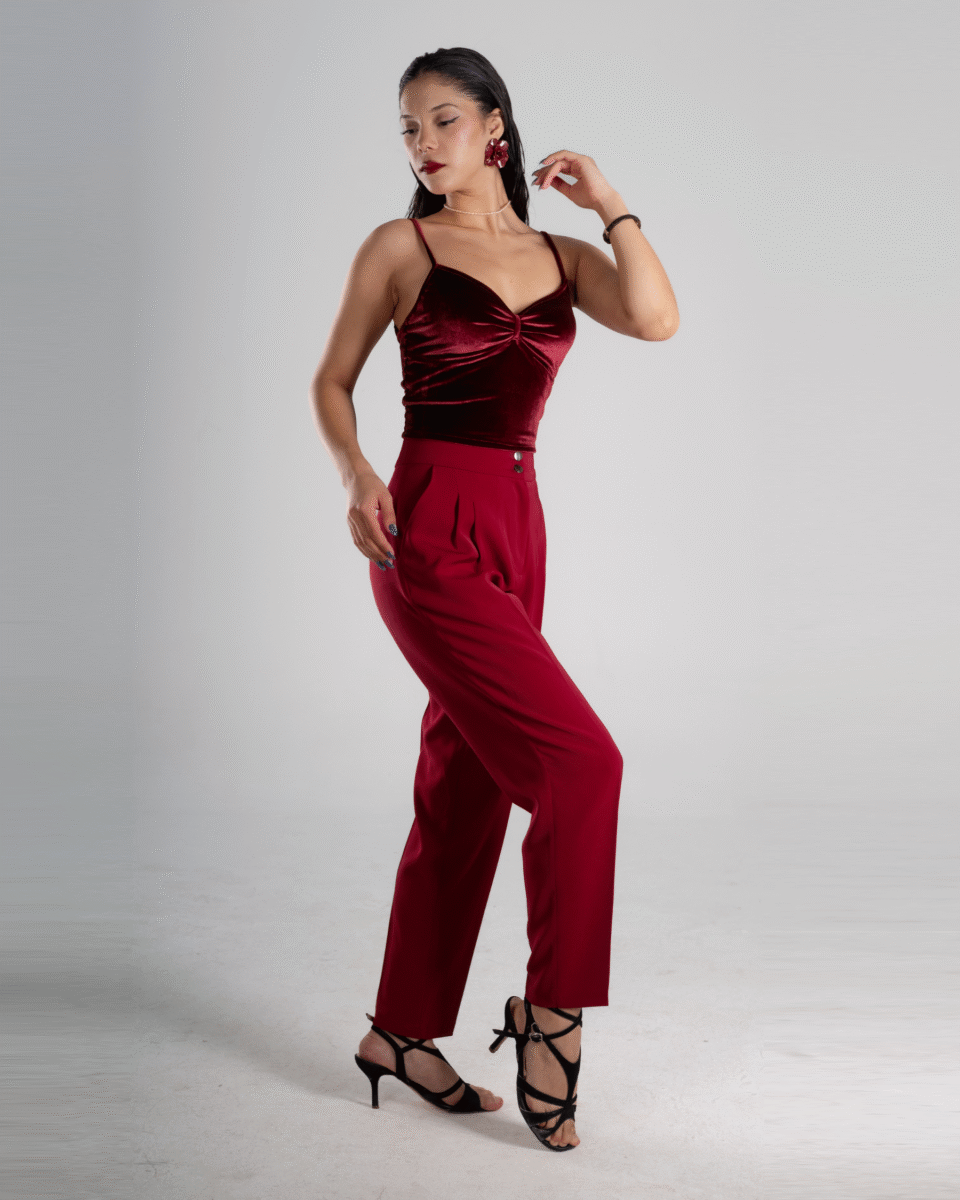
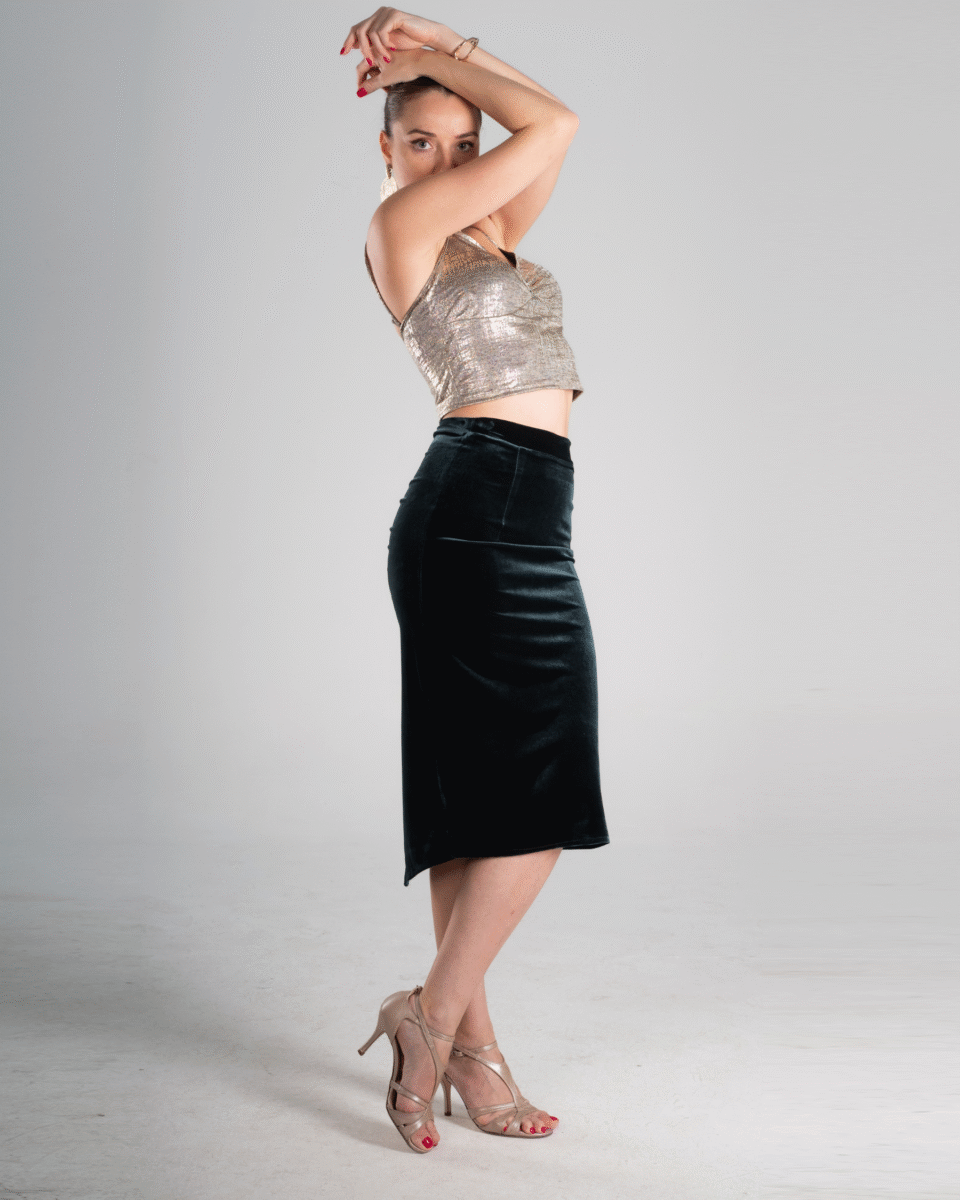
Some pair a fabric with itself — burgundy velvet above and below, for a single unbroken column of colour. Others contrast deliberately: a metallic top against black velvet, so the light lands where you want it and the skirt stays quiet.
Ordering your tango co-ord set
Each set is made to order in Istanbul after purchase, one to two weeks in production and one to three in delivery. If your two halves want different sizes, tell us — that’s a normal request and it costs nothing.